The Articles
Death, in verified numbers.
34 article(s) available in English
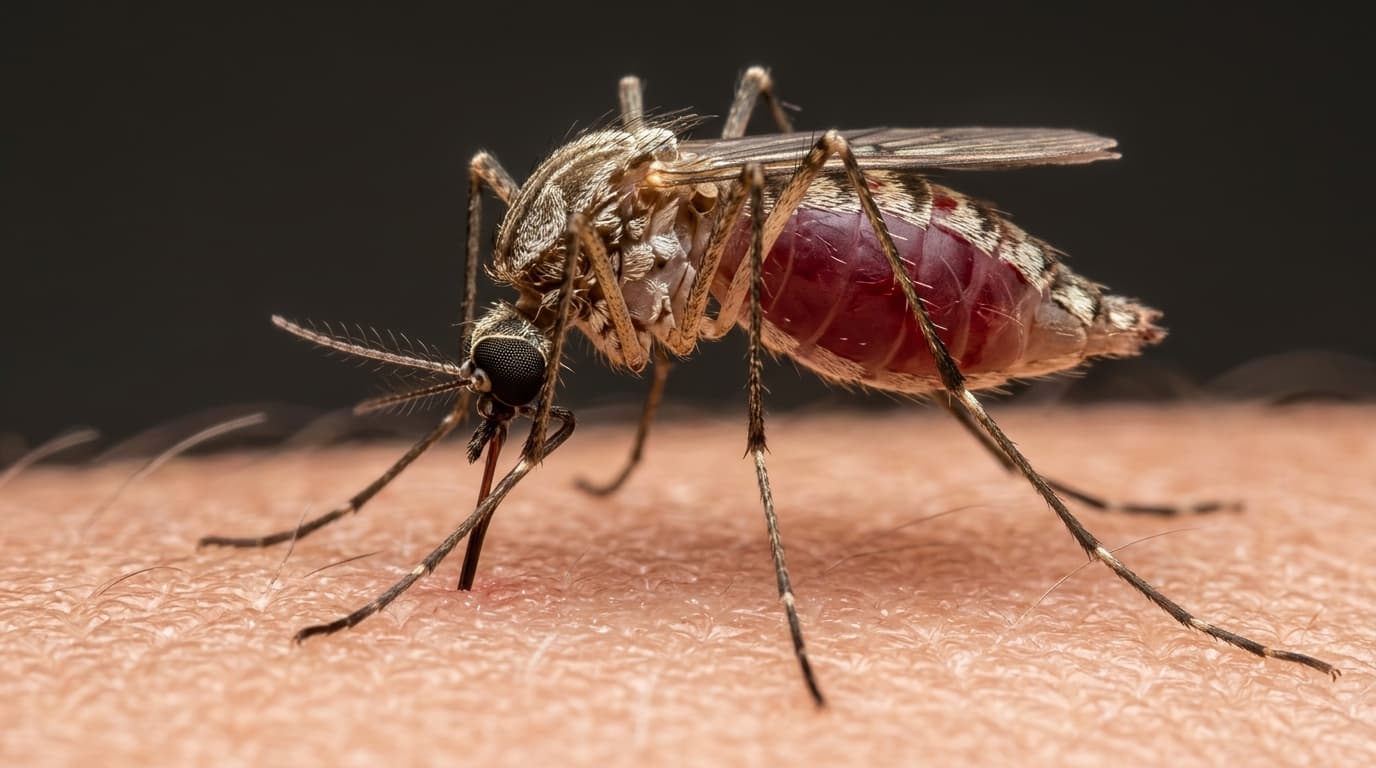
The Deadliest Animals: Danger Often Has No Teeth
Sharks feed the imagination. Dog bites, snakes, and above all mosquitoes weigh far more heavily in human mortality.

Firearms in the United States: What the Numbers Say
With more civilian guns than residents, the United States lost over 44,000 people to firearms in 2024. What CDC data and public health research show.
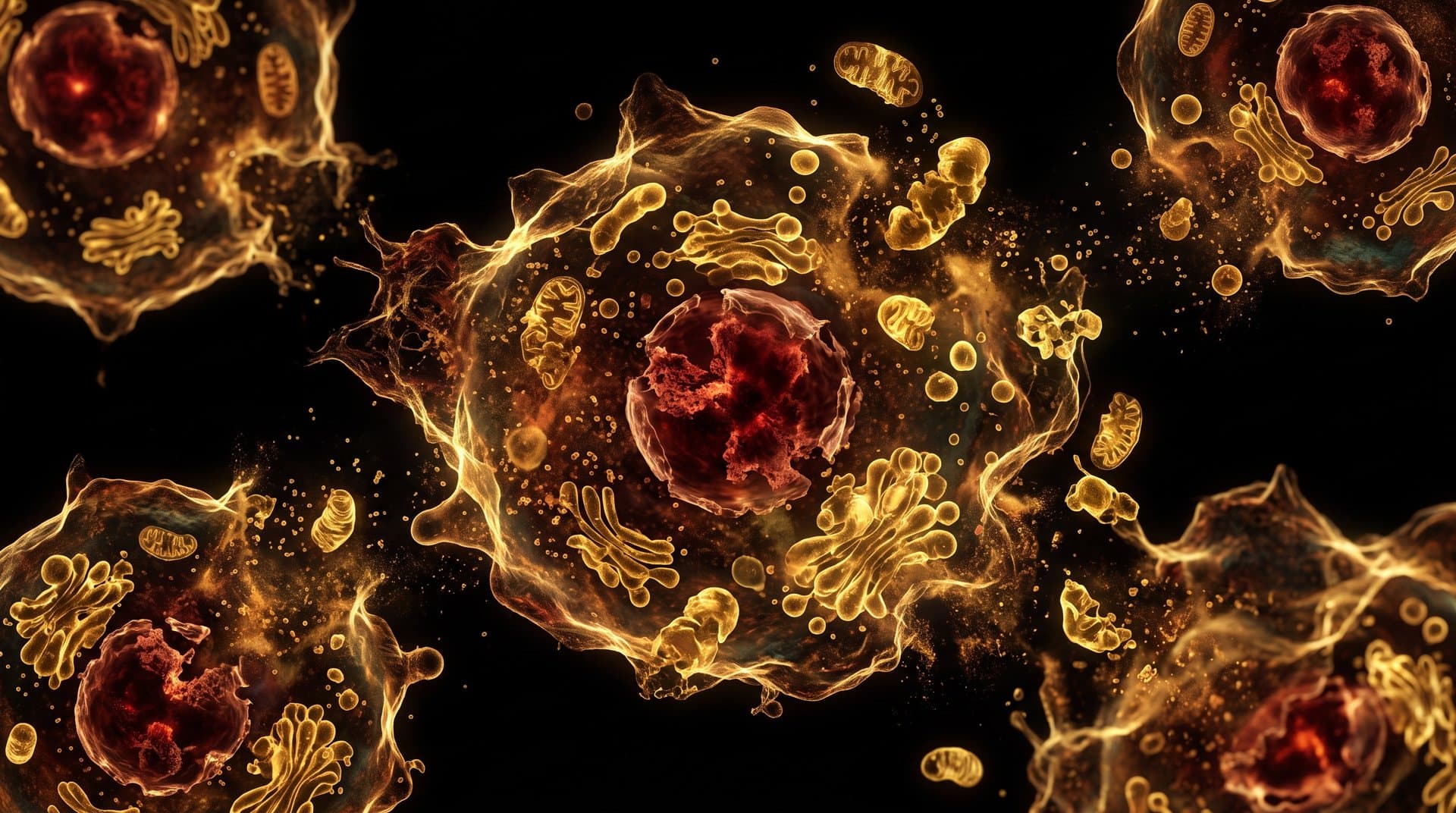
Thanatology: What Happens in Your Body After Your Last Breath
When a doctor notes the time of death, life has not left your body: it has merely ceased to be centralized. The body returns to matter, surrendered to enzymes, microbes, and chemistry.

The 27 Club: A Rock Curse, or a Trap for Our Memory?
The deaths of Joplin, Morrison, Cobain, and Winehouse gave the number 27 the power of legend. Yet a study of famous musicians finds no demonstrable mortality peak at that age.

Jonestown: Why 'Mass Suicide' Is Not Enough
On November 18, 1978, 918 people died in Guyana, one in three of them a minor. Survivors, the death tape and the archives tell something else: to a large extent, mass murder.

Día de Muertos: A Celebration That Refuses to Let the Dead Vanish
In Mexico, the dead are not mourned in silence: they are expected guests. The holiday rests on a simple, dizzying idea: you only truly die when no one remembers you anymore.

The Poisoners: Arsenic, the Secret Weapon of Women in History
Divorce was closed to them; arsenic cost two pence. From Rome to a Hungarian village, what the archives really say about female poisoners and their victims.
Will Facebook One Day Have More Dead People Than Living Ones?
The phrase is striking, yet it is not a forecast. Facebook does not publish the number of deceased users' accounts, even as it turns into a global funeral archive.
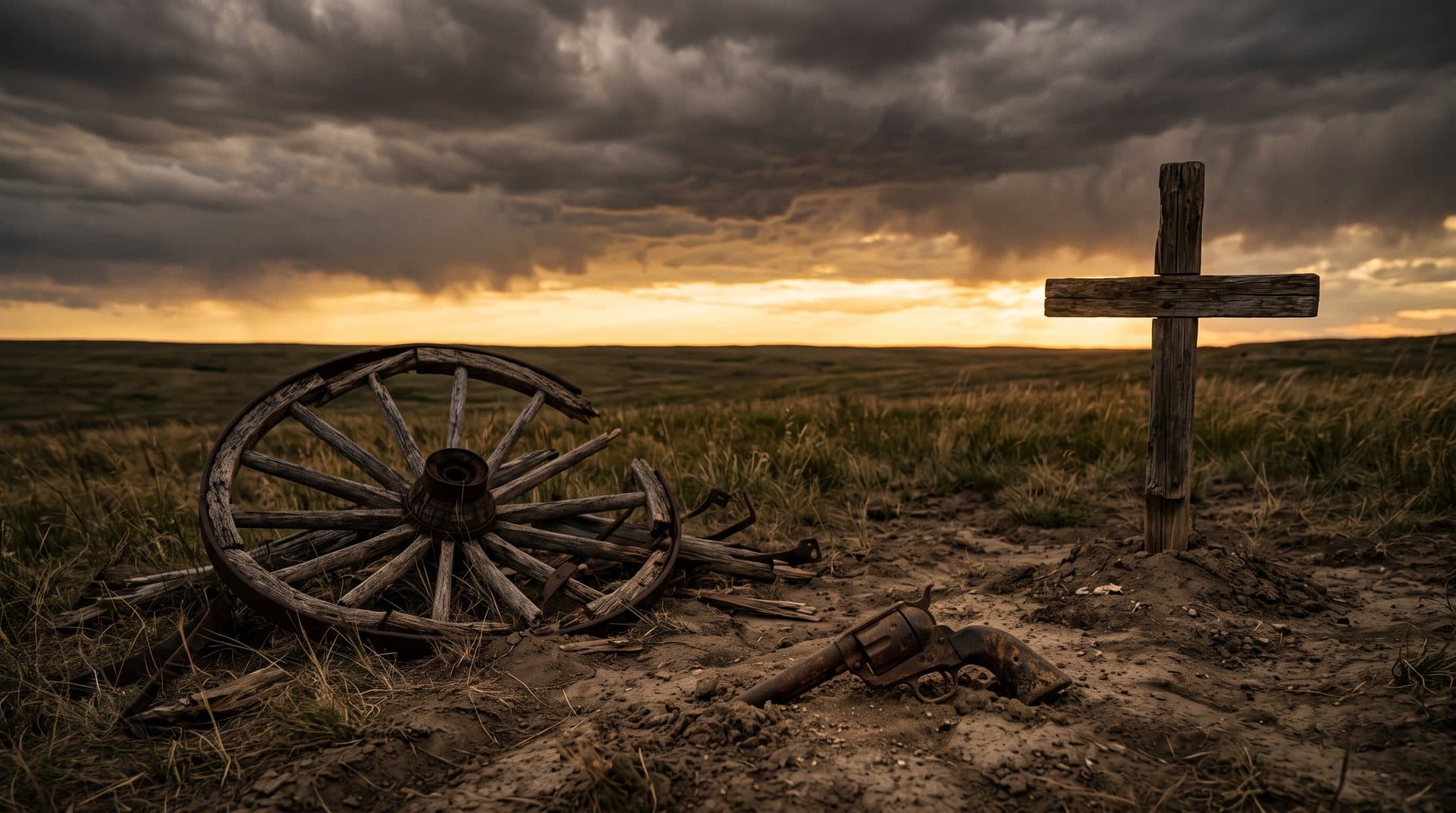
The Wild West: People Died of Cholera, Not in Duels
In the movie mythology forged by Sergio Leone and John Wayne, the conquest of the American West is a manly epic of revolver duels under a blazing sun.
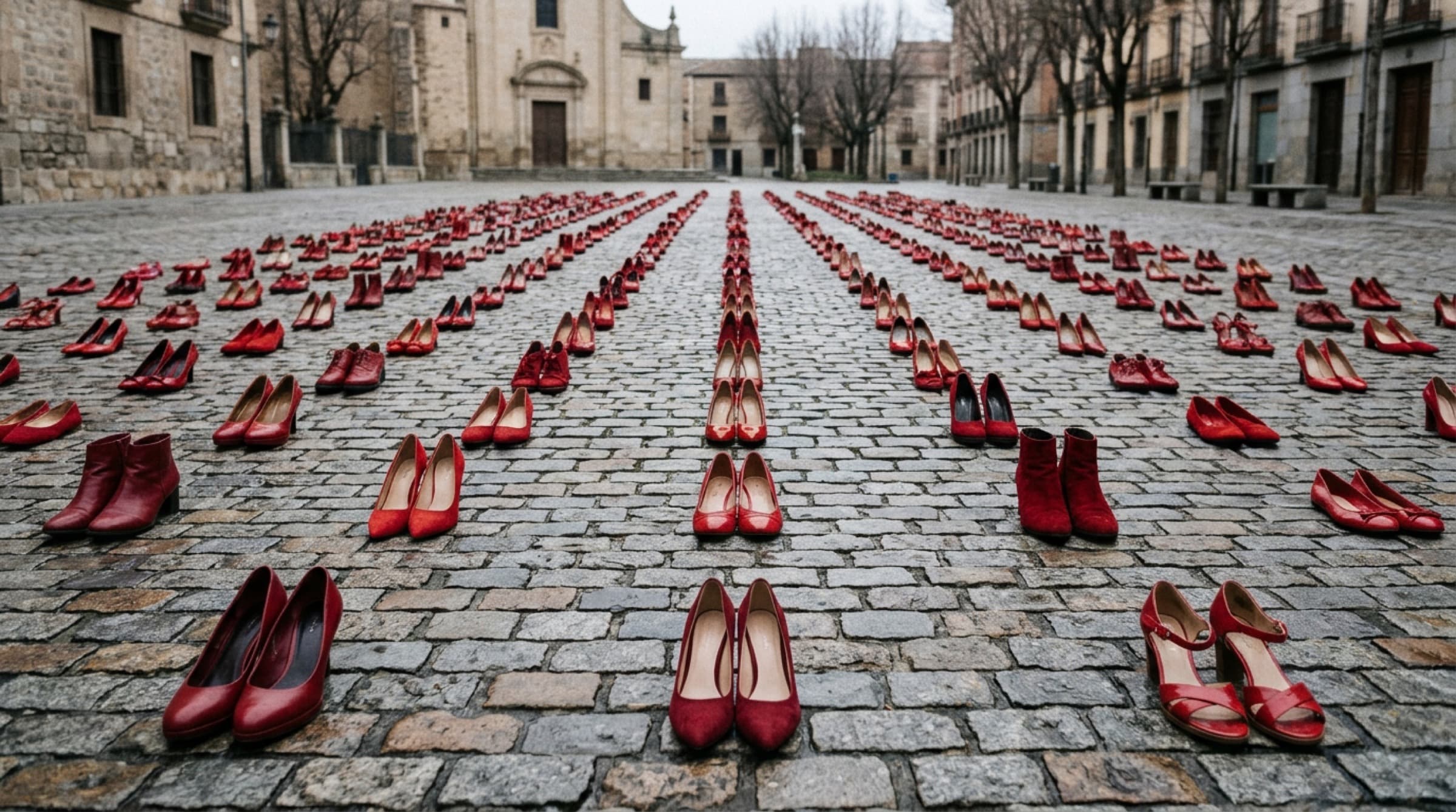
Femicides: What the Numbers Say
For a woman, the most dangerous place is still the home. What UN and French official figures say about women killed by a partner or a family member.

France's Wars: Deaths Caused and Deaths Suffered
Modern France was born in war, from Valmy to the Sahel. Between revolution, empire, and colonial campaigns, its conflicts claimed millions of lives.

Harold Shipman: The Doctor Who Signed His Own Victims' Death Certificates
For more than twenty years, a British family doctor turned medical trust into a screen. The public inquiry established at least 218 murders, according to its final report (2005); its overall estimate is higher.
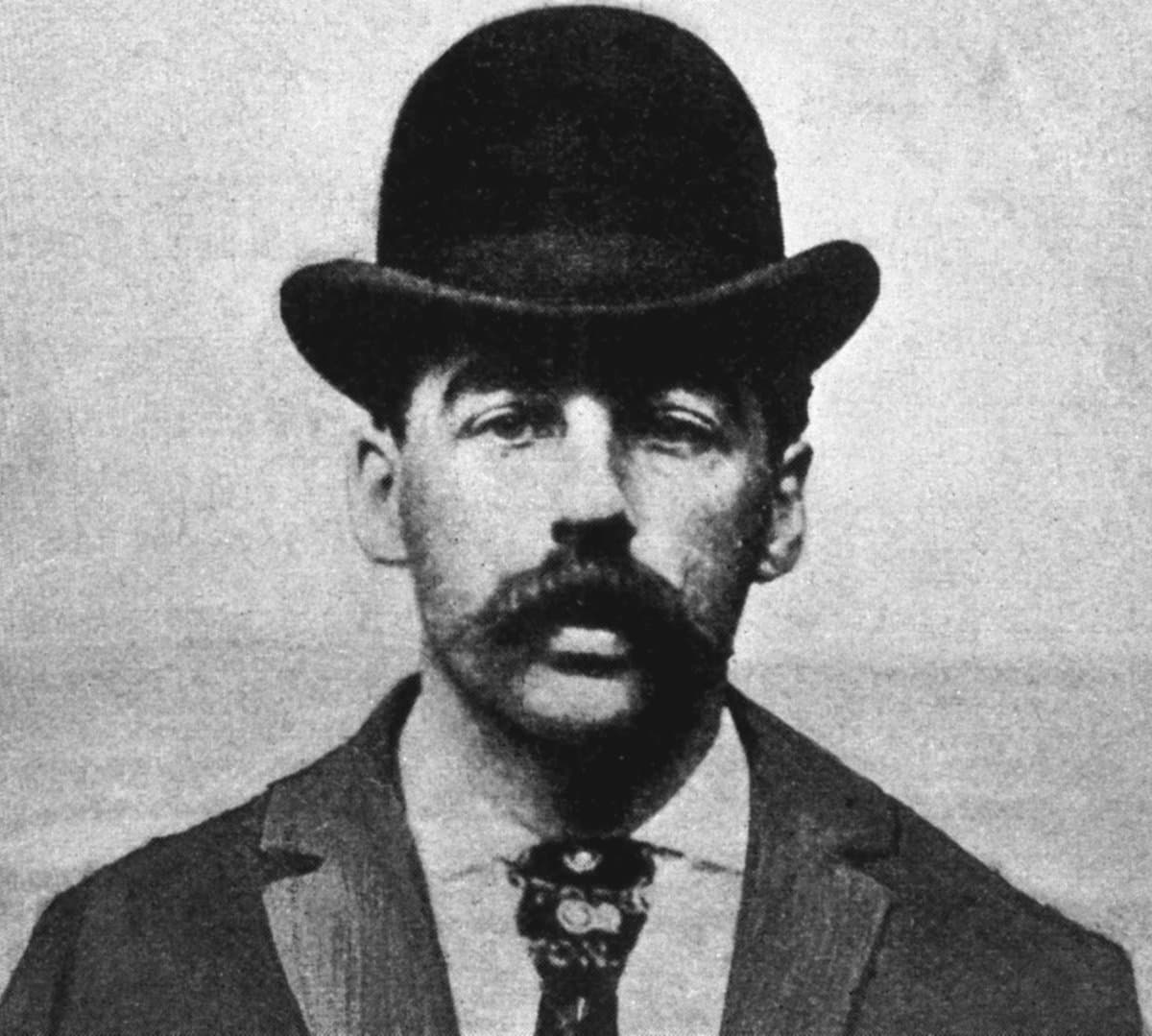
H. H. Holmes: The 'Murder Castle,' Between Court Record and Legend
The Chicago building fed an enduring myth. The archives establish a limited number of murders, not the killing factory described by yellow journalism and fiction.
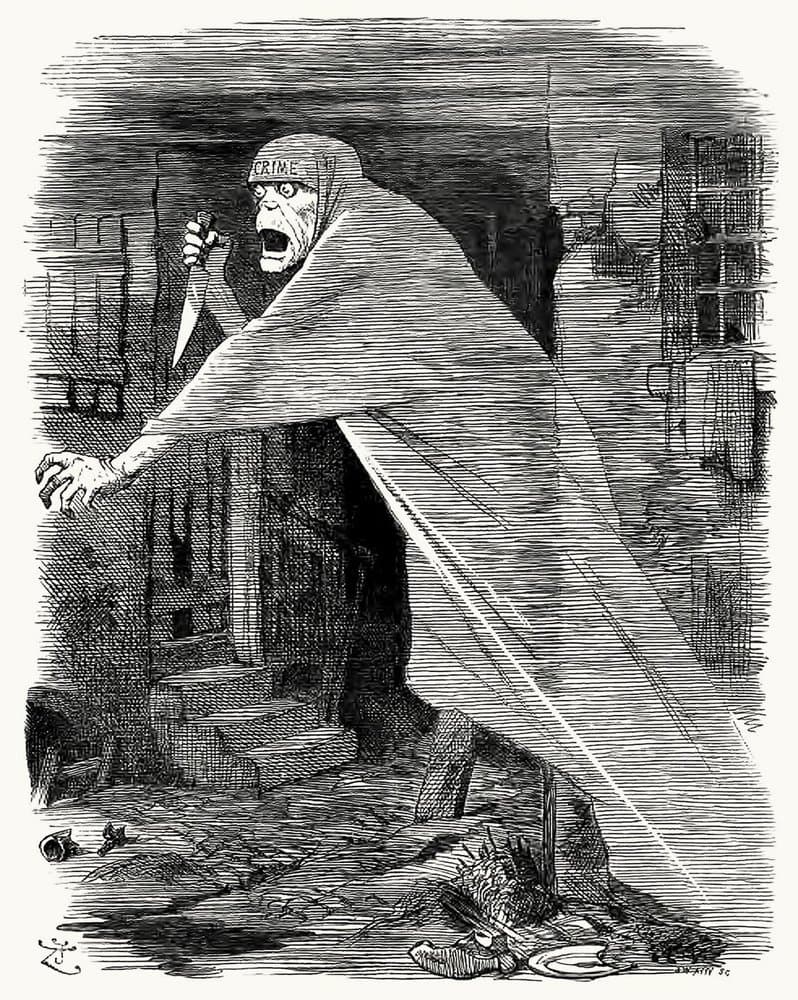
Jack the Ripper: Five Women, a Mystery Built to Endure
In ten weeks in Whitechapel, five poor women were murdered. Their lives were erased by the legend of their killer, reduced to five names on a list and the label \"prostitutes.\"

The Black Death: Up to Six in Ten Europeans Dead in Six Years
Between 1347 and 1353, a continent buried between a quarter and six in ten of its inhabitants without knowing what it was fighting. Out of it came two inventions we still use: quarantine, and the scapegoat.

Smallpox: 300 Million Dead, Then Zero
In the twentieth century alone, smallpox killed more than 300 million people. In 1980, through door-to-door containment and the bifurcated needle, humanity wiped the virus from the Earth.

Selfies Kill More Than Sharks: Anatomy of an Absurd Death
Between 2011 and 2017, selfies killed at least 259 people, five times as many as sharks over the same period. Mostly men in their twenties, in groups, by the water or in front of a train. Homo sapiens is the only species that steps backward toward a drop to get a better look at itself.

Mao Zedong and the Great Leap Forward: 30 to 45 Million Dead
Between 1958 and 1962, Mao Zedong's Great Leap Forward caused between 30 and 45 million deaths. The deadliest famine in history struck peasants in their villages while cities kept their rations.

Absurd Famous Deaths: Six Ends, from Aeschylus to Charles VIII
History measures conquerors by the scale of their military devastation; thanatology measures the incongruity of the grain of sand that ends the epic.

Dying on the Job: The Deadliest Occupations
According to the International Labour Organization, work kills 2.93 million people a year. Who dies, of what, and what their deaths cost those who let them happen.
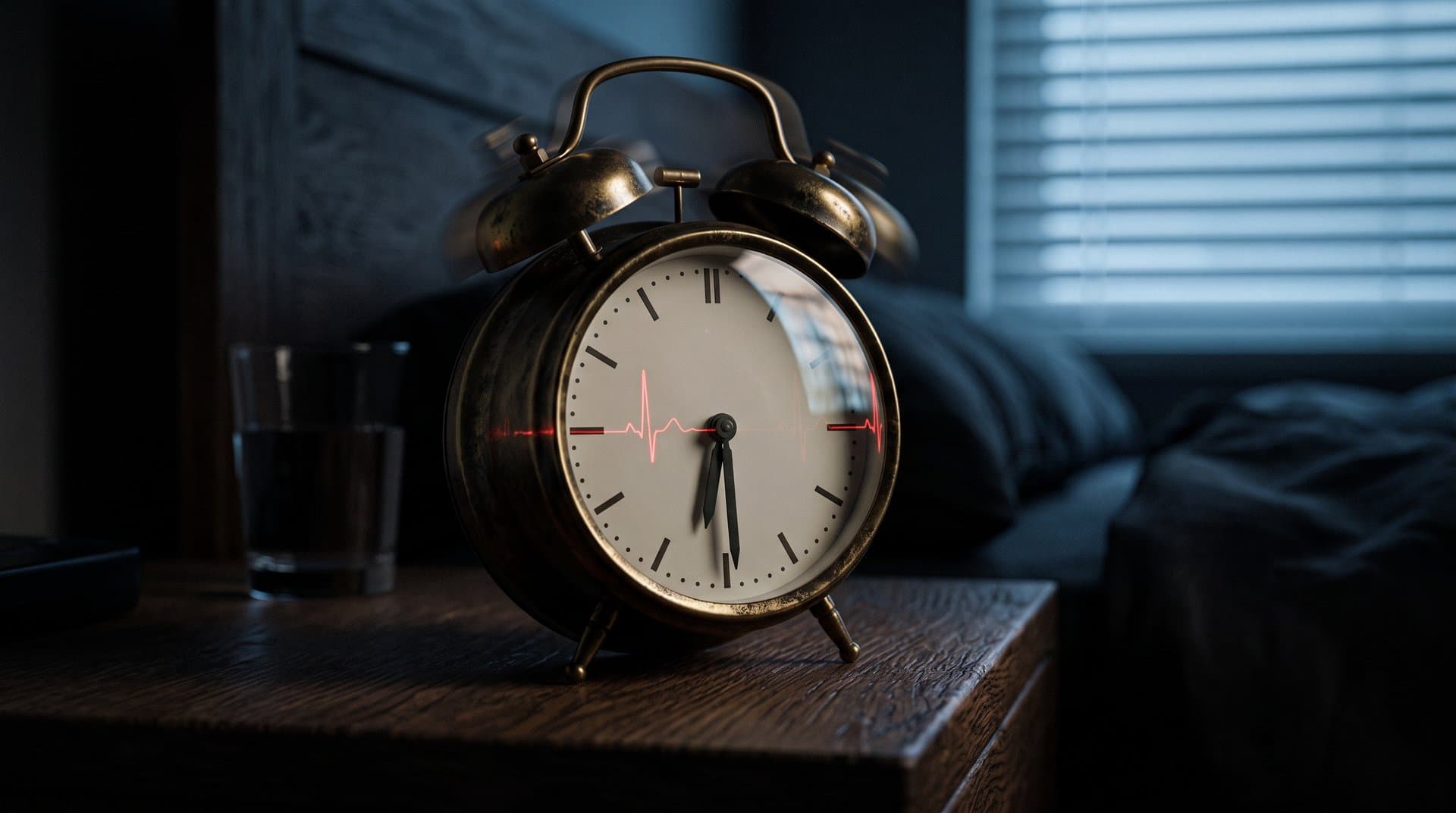
Dying on a Monday Morning: Why Your Alarm Clock Is a Lethal Weapon
Among working people in Augsburg, the risk of a heart attack jumps by 33% on Mondays; among those who do not work, the peak does not appear. It is not the day that strikes the heart: it is going back to work.

Titanic and Titan: When Money Does Not Protect Against Every Risk
Wealth often buys better access to care and safety, yet it does not make a voyage inherently safe. The Titanic and the Titan submersible show two different relationships to risk.

Overdoses: What Do the Numbers Say?
From OxyContin and heroin to illicit fentanyl and nitazenes, the opioid epidemic claims tens of thousands of lives. What official mortality data and public health records show.

PM2.5: The Invisible Death You Are Breathing Right Now
You have just inhaled dust particles thirty times finer than a human hair. According to the WHO, air pollution kills about 7 million people a year, mostly through heart attacks and strokes.

Samhain: The Celtic Night of the Dead, Between Legend and History
Every October 31, the same story is told everywhere: the Celts believed the veil between the living and the dead grew thin, lit bonfires, and wore disguises.

Suicide Prevention: What the Numbers Say
Suicide in France fell for thirty-five years before stalling in the early 2020s. The numbers show who is most exposed, and which prevention measures have proven their worth.
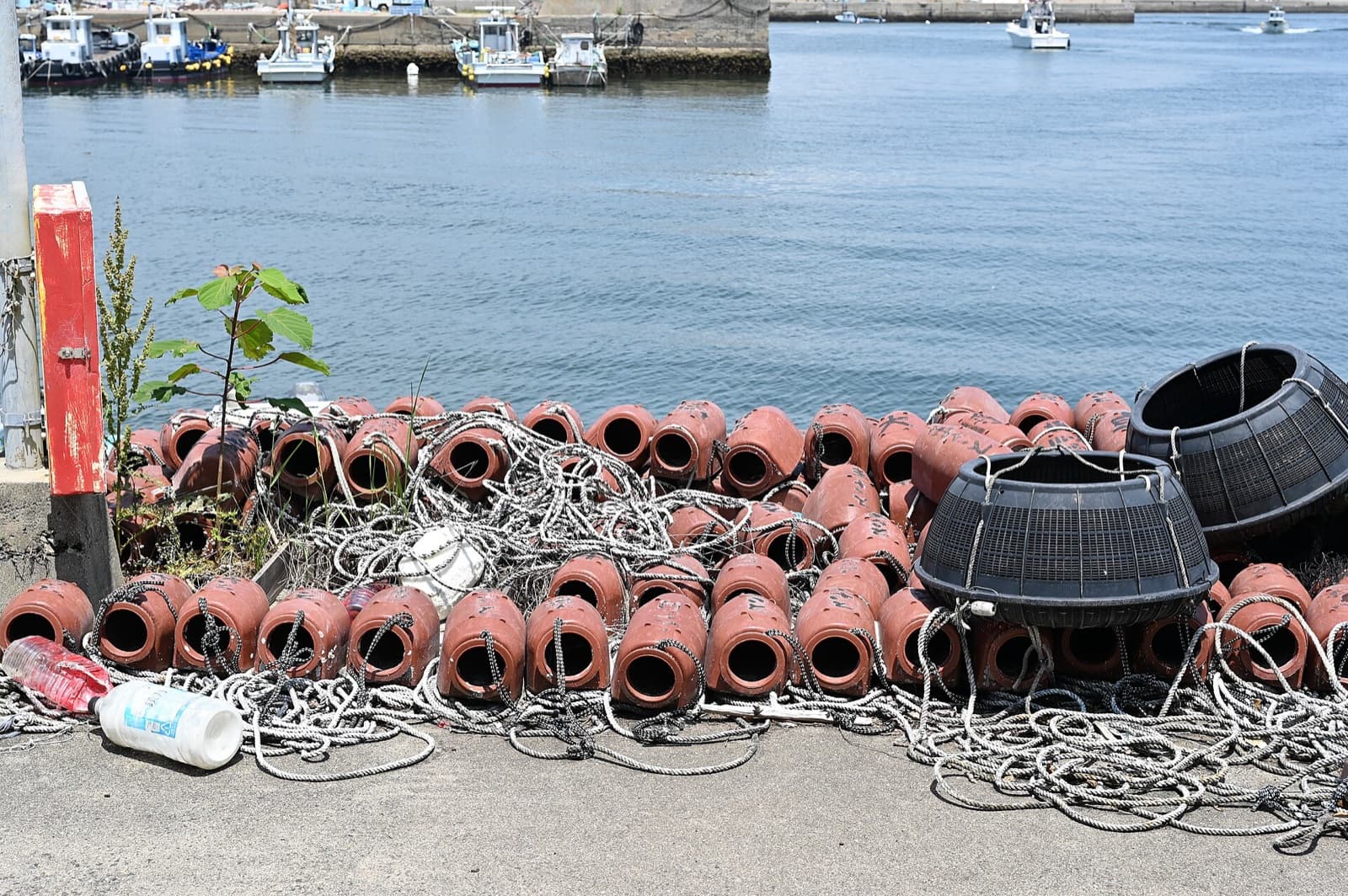
Takotsubo Syndrome: You Really Can Die of a Broken Heart (It's Proven)
Sudden grief or an emotional shock can unleash a catecholamine surge that deforms the left ventricle into the shape of an octopus trap. Clinical, cardiological, and epidemiological anatomy of stress cardiomyopathy, a condition in which nearly 90% of patients are women.

Chernobyl: The Cloud That Did Not Stop at Borders
On April 26, 1986, Chernobyl's reactor 4 exploded, releasing radioactivity across Europe. The Soviet regime kept silent, but wind carried the contamination across every border.

Unusual Wills: The Last Word of the Dead, and What the Law Does With It
A $12 million Maltese dog, a forty-letter alphabet, a baby contest, a philosopher still sitting in his cabinet: six unusual wills and what the living did with them.

Deaths Caused by Police: What the Numbers Say
In the United States, police kill more than a thousand people a year. In France, inspectorates recorded 69 deaths during a police or gendarmerie mission in 2024.

Volcanoes: Pompeii, Krakatoa, Tambora — When the Earth Turns Inside Out
Three disasters, three timelines: Pompeii preserves absences, Krakatoa kills mainly through the sea, Tambora extends the eruption into the harvests.

Is Your Bed More Dangerous Than an Airplane? The Risk at the Edge of the Mattress
We fear the sky, where people rarely die; we die from falling, at home. In 2025, commercial aviation lost 394 people on board; in 2023, falls among Americans aged 65 and older alone killed 41,400.

Death binder: the folder that spares the people you leave behind
About three million Americans die each year, and each death hands a family a deadline and a drawer full of unknowns. A death binder settles most of it in a few evenings, while you still can.

Digital legacy: eleven years for a dead brother's inbox
A Massachusetts family spent eleven years over a dead brother's Yahoo inbox. What US law and the platforms let your family see after you die, and the few settings that change everything.
The full catalogue is in French. This language is being filled in progressively.
See the full catalogue (French)